

Good morning, C&C, it’s Monday! I hope everyone shared a joyful and fulfilling Easter. This morning’s special edition rounds up a huge topic —I almost bit off more than I could chew through— that I hope you’ll find elevating and encouraging. We are witnessing the fast-motion disintermediation and ultimate destruction of the Big Pharma era, along with its vaccine obsession and its drug-dealing model of lifetime maintenance medicines.
Big Pharma’s awful model of medicine is that to halt your hair loss, you start gobbling a pill every day for the rest of your life. As time goes on, you add more daily pills to manage the mounting side effects, until you’ve got a pill organizer the size of above-average carry-on luggage. It’s therapy-by-drug, aimed not at curing you or even making you particularly healthy, but rather just maintaining your living status.
It’s the maintenance model of medicine. Some call it the Rockefeller model. (But that’s a different post.) It’s the model that produced the joke, they never even cured the common cold.
We, the living, have only ever known the maintenance model. But suddenly and unexpectedly, the Rockefeller era is drawing to an abrupt close, like a traveling theater troupe that just found out the bail bondsman is on the way.
I can prove it to you.
🌍🇺🇸 ESSENTIAL NEWS AND COMMENTARY 🇺🇸🌍
💊💊💊
Something unprecedented, historic, and revolutionary is happening in medicine, at breakneck speed, and almost nobody is talking about it. The white-coated frauds who’ve made careers out of shilling drugs like vaccines with barely positive actual risk reductions (ARRs) can’t see the black hole opening up right behind them.
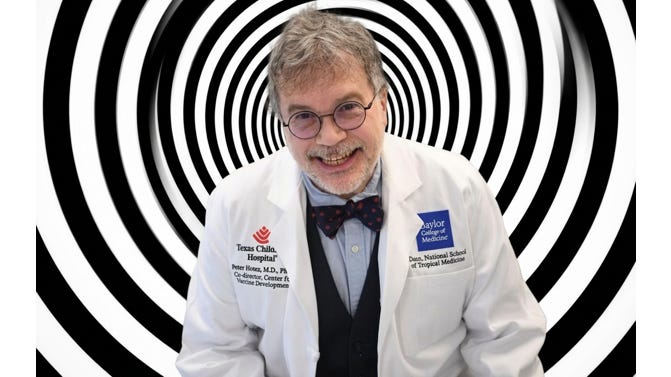
The FDA doesn’t see it, not really. Nor most of the NIH. Certainly not the major medical journals, which are furiously publishing pro-vaccine-anti-RFK propaganda citing a 100-year-old polio jab and debating public health personnel. And definitely not Big Pharma, which is too busy buying up small companies to notice it’s being disrupted out of existence.
In the 1970s, IBM owned Big Computing. Then, two goofy nerds in a garage built the Apple II, and —BLAM!— the mainframe era was over. A new Silicon Valley era arose from the tangle of wires and punch cards. Now everyone has a supercomputer in their pocket.
Something similar is happening in medicine right now. Nimble, high-tech health startups, powered by AI, are running rings around traditional public health and Big Pharma’s creaky pipeline. This new generation is aiming at cures, not chronic maintenance meds. It’s chaotic, frenetic, democratizing, field-leveling, and game-changing. Given the potential promise, it is, perhaps, the biggest story in human history —and the end of the Big Pharma era— all happening right under our noses while trad-media remains distracted by politics.

I’ll offer a half-dozen examples to illustrate the modern version. The ‘guys in garages’ are a rogue Harvard professor’s two-person startup, a data scientist in Sydney with a sick dog, a university CRISPR lab in New South Wales, a scrappy 20-person longevity biotech in Boston, and an AI startup in London called Isomorphic Labs. The dusty mainframes are Pfizer, Merck, Johnson & Johnson, the FDA, the CDC, the NIH— essentially, the entire apparatus that failed so catastrophically during covid and then spent the last five years sullenly defending its own failures.
What’s coming could be called Biblical. In January, Popular Mechanics reported, “A Revolutionary Device Can Cure Blindness. This Has ‘Never Been Done Before,’ Researcher Says.” A cure! Not a treatment! Two days ago, Science Daily reported, “Deafness reversed: One injection restores hearing in just weeks.” One injection! Not a pill carrier.
Compare those to Big Pharma’s ‘most successful’ product —statins— which are an endless daily ritual that does nothing more than maintain patients’ cholesterol while throwing off side effects like a Roman Candle.
Hackers are this close to curing the deaf and the blind. Meanwhile, Big Pharma and its chronic meds are getting Blockbustered. Are you following me?
🤖 I’ll list five points, then give you real-life examples to prove them up.
1. AI has already collapsed the foundational bottleneck. Drug discovery used to take a minimum of 10-15 years and a billion dollars. But AI-powered protein structure prediction and drug design have compressed the timeline to 18 months at a fraction of the cost. The pipeline is not just sped up; it’s changed who can play. Big Pharma only exists because only billion-dollar companies could fund drug research. No longer.
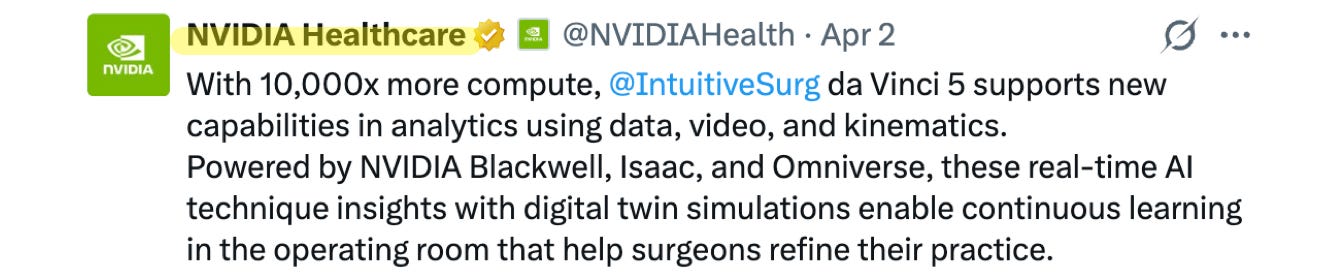
2. Multiple revolutionary technologies are converging simultaneously. CRISPR, mRNA platforms, AI drug design, AlphaFold, cellular reprogramming, and gene therapy aren’t separate stories. They’re a self-reinforcing feedback loop. For the first time in history, the entire technology stack needed to cure genetic diseases or perfect surgical techniques is complete and operational. Silicon Valley is invading medicine. Exhibit A— Nvidia Healthcare:
3. Results are showing up in human beings, not just lab mice. Healthcare hype is as old as snake oil. Breathless articles about promising developments hit the journals about every ten minutes, and then sink to the bottom of the academic ocean without making a ripple. BLOOP. But this latest wave isn’t theoretical. People born deaf are now hearing their mothers’ voices for the first time. Believe it or not, the first tentative age-reversal treatments are in human trials right now. Personalized cancer vaccines are shrinking tumors. The translation from lab to clinic is happening at a breathtaking pace.
4. The regulatory barriers are cracking under geopolitical pressure. China is racing. Japan just authorized the world’s first reprogrammed cell therapies. Trying to catch up, RFK’s newly reconstituted FDA cleared its first-ever cellular reprogramming trial in January. MAHA and Trump’s regulatory reforms are flattening regulatory speed bumps and creating commuter lane bypasses for American innovators.
5. The elite establishment isn’t leading this revolution — outsiders are. The breakthroughs are coming from university labs, AI startups, foreign regulators, and self-funded entrepreneurs — not from Pfizer, not from Merck, not from the NIH. Big Pharma’s main innovation strategy right now is financial— acquiring the startups they can no longer build themselves. Meanwhile, they are stuck in their failing model.
For example, Pfizer just had to halt its covid vaccine trial because they couldn’t find enough Americans willing to be their guinea pigs.

Progressives are still publicly defending the covid jabs, but privately they are passing on the “opportunity” to try the latest and greatest version. The irony is delicious.
🤖 Last summer, scientists at Karolinska Institutet (Sweden) and five hospitals in China published a study in Nature Medicine that should have been front-page news. The Times of India reported, “‘Deafness reversed’: Scientists restore hearing in 10 patients with a single-injection gene therapy breakthrough.”

Researchers enrolled 10 young patients aged 1 to 24, all born profoundly deaf due to a mutation in the OTOF gene. This gene encodes a protein called otoferlin, which serves as the bridge that transmits sound signals from the inner ear to the brain. Without it, you hear nothing— total silence.
There was no lifetime prescription, no daily pills. A single injection was all it took. It’s not a maintenance regime; it’s a cure. Using a harmless modified virus as a delivery vehicle —no spike proteins— they injected a working copy of the OTOF gene directly through a tiny membrane at the base of the cochlea.
Hearing improved in all ten patients. In other words: one hundred percent efficacy.
Patients’ average perceptible sound threshold improved from 106 decibels (profound deafness — basically a jackhammer at arm’s length) to 52 decibels (normal conversational speech). Most began showing improvement within a month. A 7-year-old girl regained near-complete hearing and was holding daily conversations with her mother within 4 months.
Think about that for a second. People born deaf don’t even have an inner voice. They’ve never heard speech at all. So they think in visual patterns— signs, images, abstract meanings without sound. That 7-year-old girl didn’t just hear her mother for the first time. She discovered that the world had been talking the whole time. (Sadly, she now must also hear Kamala Harris’s laughter, but sometimes you must take the rough with the smooth.)
Lead researcher Dr. Maoli Duan understatedly said, “This is a huge step forward in the genetic treatment of deafness, one that can be life-changing for children and adults.”
For the past 30 years, the treatment for this condition was cochlear implants —like Rush Limbaugh got— a surgical procedure that provides only a crude electronic simulation of hearing, not real sound. But one injection beats 30 years of the best available technology. In 100% of affected patients.
The OTOF mutation is relatively rare, accounting for roughly 1-8% of cases of congenital deafness globally. But the platform — single-injection gene delivery to the cochlea — is now validated. It is already being extended to more common genetic causes of hearing loss, including GJB2 mutations. GJB2 mutations account for up to half of all inherited deafness worldwide. If this injection platform works for GJB2 the way it worked for OTOF, we’re looking at a cure —not maintenance— for the most common congenital disability on the planet.
You see what we’re looking at here? It’s not chemicals. It’s not a lifetime prescription. It’s one-and-done.
It’s a revolution.
🤖 In January, a company you’ve probably never heard of did something that no company on earth had ever done before. Once again, trad-media was largely mute. Fortune ran the story as a quirky novelty below the sneering headline, “As billionaires chase immortality, this startup cofounded by a Harvard genetics professor gets FDA approval for the first partial de-aging human trial.”

By framing it as a “goofy billionaire chases immortality” story, Fortune smothered the lede— actual FDA approval for human trials of a longevity treatment. It’s never happened before. You’d think, given the potential stakes and the media’s love affair with pharma, it would get better framing. Nope. (No billion-dollar behemoths were involved.)
Life Biosciences —a Boston-based startup co-founded by Harvard professor David Sinclair with fewer than 20 employees— got FDA clearance for the first-ever human trial of partial epigenetic reprogramming. Formally, it is a Phase 1 study of their candidate ER-100, targeting age-related vision loss from glaucoma and optic nerve damage.
It started twenty years ago, in 2006, when a Japanese scientist named Shinya Yamanaka discovered that you could take an ordinary adult cell —old, tired, specialized— and rewind its epigenetic clock back to a youthful state by expressing just four specific proteins (OCT4, SOX2, KLF4, c-Myc). The four are now called Yamanaka factors. He won the Nobel Prize in 2012 for it.
Then a whole lot of nothing happened. For nearly two decades, this technique worked in cells and mice but had never been tried in a human being, partly because the full set of factors and risks was oncogenic— tumor-causing.
But Dr. Sinclair’s lab figured out one of the four factors was the problematic one (c-Myc). So they came up with a treatment using the other three protein factors to reverse cellular aging without triggering cancer. He published a 2020 Nature paper showing it could restore vision in blind mice by rewinding the epigenetic age of retinal cells. His 2023 work showed up to 75% epigenetic age reversal in animal models.
Now, for the first time —basically a year into the rebooted FDA— they’re testing it in humans.
Trial enrollment started in Q1 2026. The first patients are being dosed now. Initial data could come as early as later this year.
Don’t miss this. The underlying mechanism —partial epigenetic reprogramming via three Yamanaka factors— is not eye-specific. In theory, it works on any cell’s epigenetic clock, which is found in every cell in the human body. Sinclair’s animal work also showed age reversal in brain tissue, kidney, and muscle cells. Eyes are just the proof of concept.
🤖 Big money is flowing into these startups, completely outside Big Pharma’s moat. The same week Life Biosciences got their FDA clearance to trial their eye treatment, NewLimit —another epigenetic reprogramming startup co-founded by a tech bro, Coinbase’s CEO Brian Armstrong— raised $130 million in Series B financing to pursue similar approaches. And Altos Labs, the $3 billion Jeff Bezos-backed cellular rejuvenation company, is reportedly close to its own clinical program.
Japan —where Shinya Yamanaka made the original Nobel-winning discovery— is ahead of the U.S. There, a similar treatment is already reaching patients. Last month, Wired reported, “Japan Approves the World’s First Treatment Made With Reprogrammed Human Cells.” Japan’s Ministry of Health officially granted conditional marketing authorization to two different regenerative medical products derived from reprogrammed iPS cells.
iPS stands for ‘induced pluripotent stem cells.’ Wired explained that these are adult cells, such as skin or blood cells, that have been reprogrammed to function like embryonic stem cells. They can divide indefinitely and can take the form of any cell type. There’s no ethical issue since they come from the patient, not fetal tissues.
One treatment is aimed at severe heart failure, and the other at Parkinson’s. (Purely coincidental that those are two common types of jab injuries. But I digress.)
In short, the world’s first government-approved treatments made from reprogrammed human cells will be available to patients as early as this summer. Japan is moving before the U.S. establishment even knows what game it’s playing. It’s forcing the FDA to move even more nimbly.
🤖 The trend isn’t new. Smaller, nimbler startups have been creeping up on Big Pharma for years. Four years ago, they got AI. But the movement was afoot well before that. In February 2024, FreOpp published a white paper headlined, “No Contest: Small Pharma Innovates Better than Big Pharma.” It concluded, “The majority of new drug development now takes place at startups with little to no commercial revenue.”
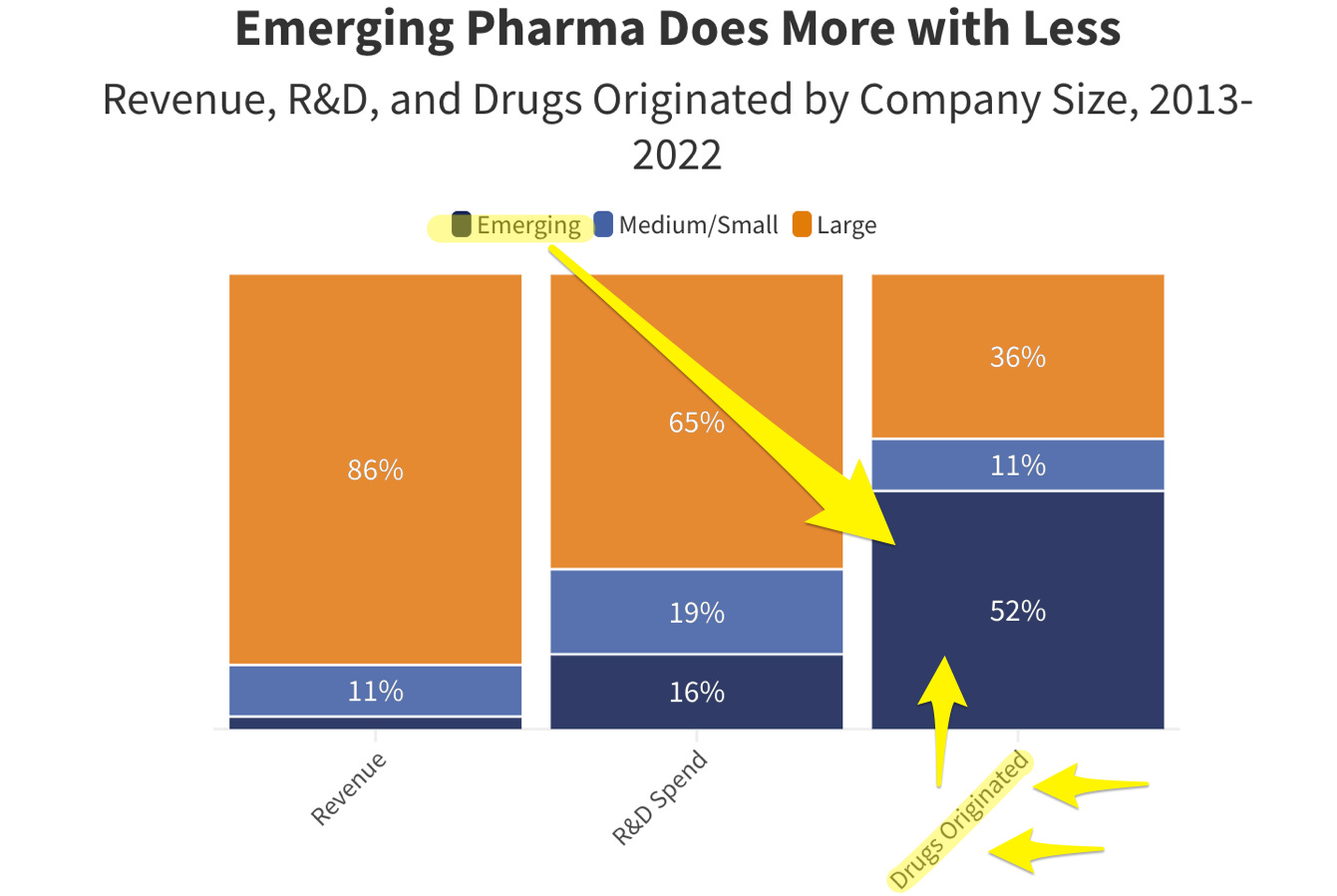
Note that the timeline, 2013-2022, was before the AI revolution landed. FreOpp explained that the legacy “model of drug development, which peaked in the 2010s, is quickly fading as emerging companies increasingly bring new innovations to market on their own.” It is a completely new paradigm. “Startups,” it explained, “rely on venture capital to develop new and innovative drugs with a higher level of accountability, spending less per innovative drug developed than large, inefficient companies.”
The tech bros are running rings around the Peter Hotez group. While the startups are streaming new health innovations, Big Pharma is becoming Betamax.
🤖 The next story perfectly illustrates the PC revolution analogy. Here come the hackers! Two weeks ago, Elephas reported, “The True Story Behind the AI Cancer Vaccine That Shrunk a Dog’s Tumor by 75%.” Trigger warning: it’s about an mRNA ‘vaccine.’ But it’s not a vaccine, of course. It was a one-and-done genetic treatment, like we always said.
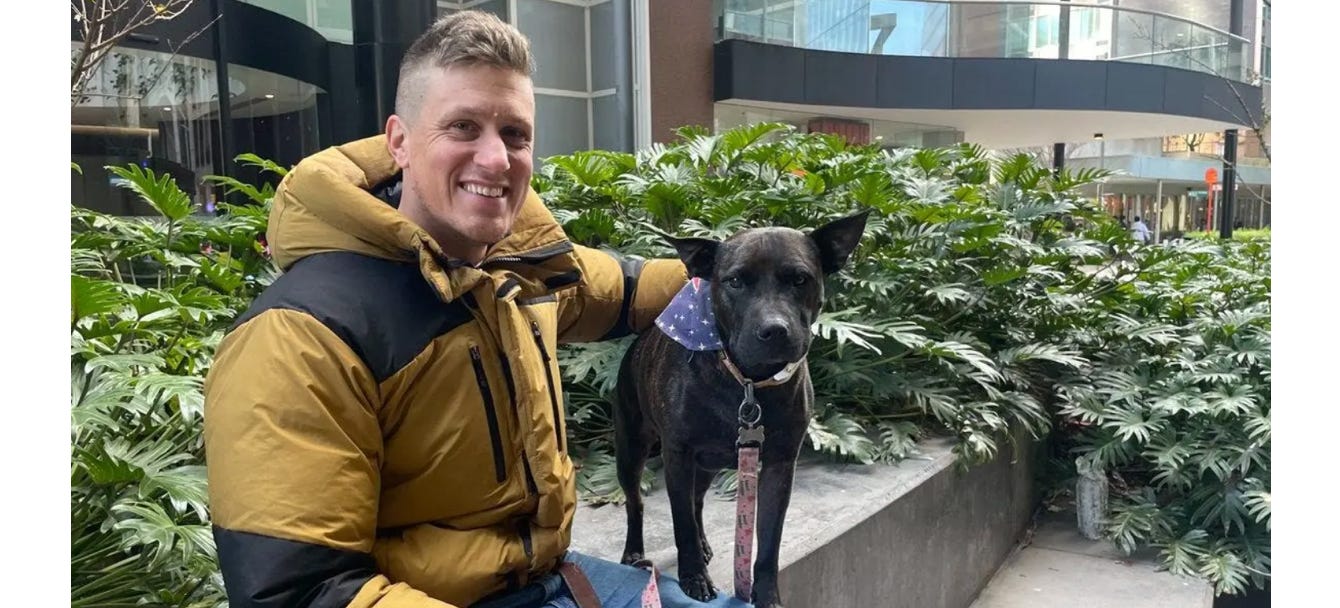
Paul Conyngham is a tech entrepreneur and data scientist in Sydney, Australia. He has no biology degree. He has no research lab. He has no medical degree or white coat. What he did have was a rescue dog named Rosie —a Staffy-Shar Pei mix— who was diagnosed in 2024 with aggressive mast cell tumors. Vets gave her a terminal diagnosis. Pharma companies denied Rosie compassionate access to experimental veterinary drugs.
But Paul loved Rosie. He refused to accept it.
He spent $3,000 to sequence Rosie’s tumor DNA at UNSW’s Ramaciotti Centre. He used ChatGPT as a research assistant, to analyze the tumor’s mutations and plan a neoantigen identification strategy. He used Google DeepMind’s AlphaFold to model the three-dimensional shapes of Rosie’s mutated proteins. He used Grok to design the treatment approach. Then he collaborated with researchers at UNSW’s RNA Institute to manufacture a personalized mRNA vaccine —a bespoke treatment specifically designed for Rosie’s unique tumor mutations— for a total cost of a few thousand dollars. (We’ll return shortly to the mRNA issue.)
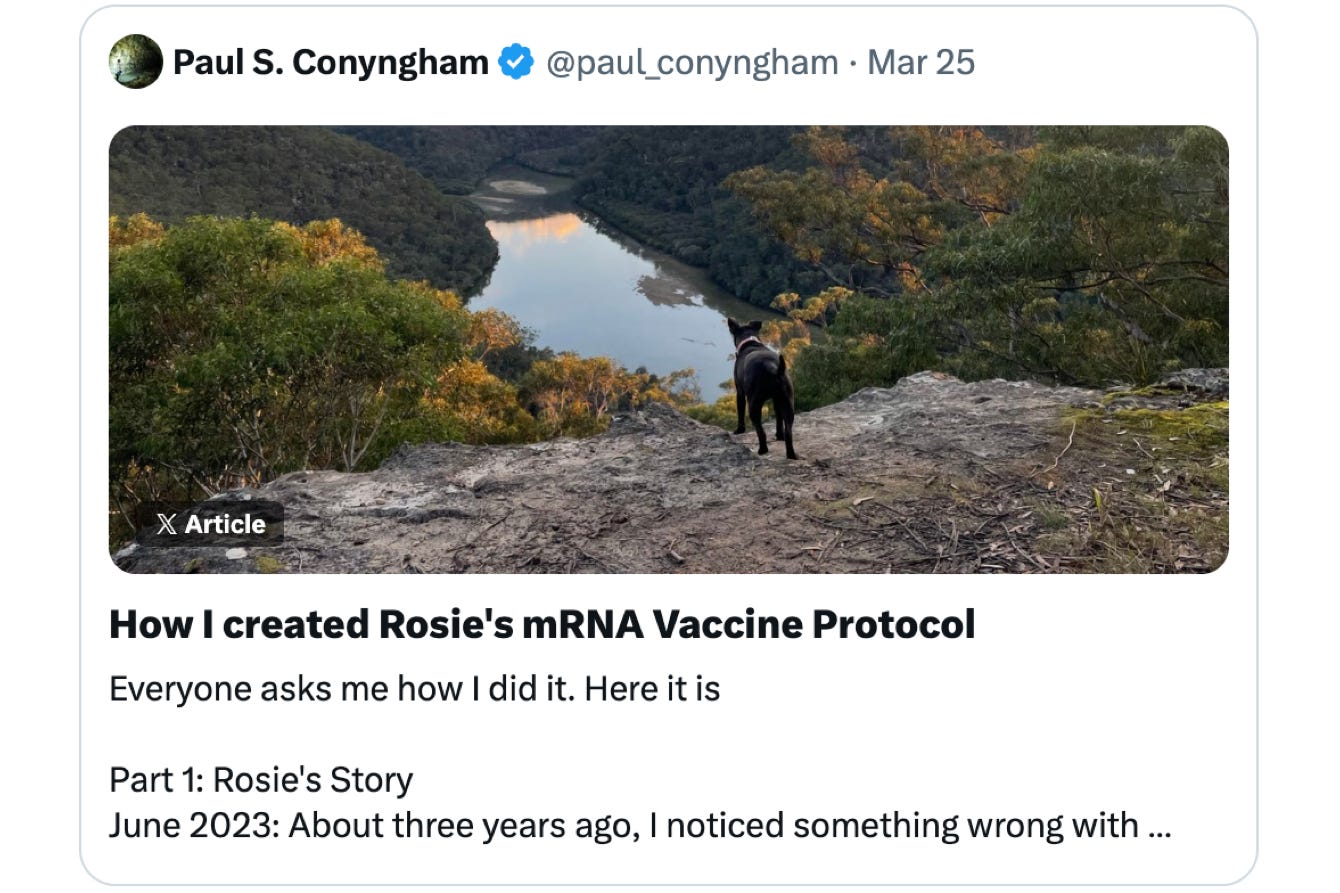
In December 2025, Rosie received her first injection.
Within one month, her tennis-ball-sized leg tumor shrank by 75%. She was back to jumping fences and chasing rabbits. The vets called the results “astonishing” and one associate professor reportedly said: “It was like, holy crap, it worked.”
The UNSW team called it the first personalized cancer vaccine ever designed for a dog. OpenAI’s (ChatGPT) CEO Sam Altman called it “amazing.” Conyngham is now open-sourcing his data so other pet owner-hackers can replicate the approach. “Just a couple of decades ago,” Coyngham wrote, “it would have cost over a billion dollars. But it is rapidly coming down in price, while getting much, much faster.”
Regardless of what anyone thinks about mRNA vaccines, the real story is that a tech entrepreneur with zero biology training, using publicly available AI tools, designed his own personalized cancer vaccine for his dog that produced results competitive with multi-million-dollar pharmaceutical programs— for a few thousand bucks. And in only a few months, start to injection.
Can you see it yet? This is the garage startup moment for medicine. The personal computer was just built in a Sydney garage by a rescue-dog owner with a ChatGPT account.
Nobody has criticized mRNA covid jabs more than me. But I have no problem with personalized cancer treatments using that technology. If you’re dying of terminal brain cancer, potential long-term side effects from mRNA treatments are an irrelevant side issue. mRNA was originally developed for this purpose; it was never intended to be used as a broad ‘vaccine’ against common respiratory viruses.
Twenty years on, and there are no approved personalized mRNA cancer treatments in humans. But a Sydney tech bro just cured his dog using a chatbot. Welcome to the revolution.
🤖 Eighteen months ago, I reported on the surprising coverage in the New York Times of one of big medicine’s most humiliating moments: the 25-year rabbit chase for Alzheimer’s treatments that wasted billions and went nowhere due to enforced orthodoxy.
So you’d think this next story would have been bigger news. In December, Science Daily reported, “Scientists reverse Alzheimer’s in mice and restore memory.”
Reversed. Not slowed. Not halted. Cured. Last December, a team from University Hospital in Cleveland, Case Western Reserve University, and the Cleveland VA Medical Center published something in Cell Reports Medicine that should have triggered wall-to-wall media coverage. It shattered the conventional understanding of Alzheimer’s as an irreversible decline.
In over a century of Alzheimer’s research, nobody had ever produced a cure —a full neurological recovery— even in an animal model at an advanced stage of the disease. Not a slowing. Not a prevention. A reversal. A cure, in other words. The paper’s lead author, Dr. Andrew Pieper, said simply, “Since its discovery, Alzheimer’s disease has been considered irreversible.”
They reversed it. (Trad-media was unimpressed.)
Their key turned out to be NAD+ — a molecule sitting at the center of cellular energy production. NAD+ levels decline naturally with age throughout the body, including the brain. The researchers showed that this energy decline is not just a symptom of Alzheimer’s— it’s a major driver. And critically, restoring NAD+ balance in mice with advanced Alzheimer’s reversed the pathology —clearing amyloid plaques and restoring normal cognitive function— not just in early-stage disease, but in mice that were already severely afflicted.
This isn’t a cure in humans yet. It’s still mice. But it is already historic. And NAD+ precursors are already widely available as supplements and have been in human safety studies for years. That means the clinical translation path is shorter than almost any other Alzheimer’s approach on the table.
In February, researchers at Washington University School of Medicine published in Nature that a simple blood test measuring a protein called p-tau217 can now predict Alzheimer’s symptom onset 3-4 years before symptoms appear, with enough precision to guide early intervention. The test is nearly ready for clinical deployment.
Early detection and reversal mechanism in the same news cycle— after decades of scientific fraud, bullying, and snake-oil. And the mainstream media is busy with other things. Pharma’s R&D is going in circles. Almost all the exciting developments are happening outside Big Pharma, which is losing its grip on the narrative.
The case for Big Pharma’s outsized profits —that they need the money for liefsaving R&D— is crumbling faster than a stale gas station biscuit.
🤖 Finally, Oregon State University researchers, publishing in ACS Nano (April 2026), have developed a bandage-like skin patch for melanoma treatment that requires no surgery, no chemotherapy, and no radiation. Medical Xpress reported, “Heat-activated skin patch can kill melanoma cells without surgery.”
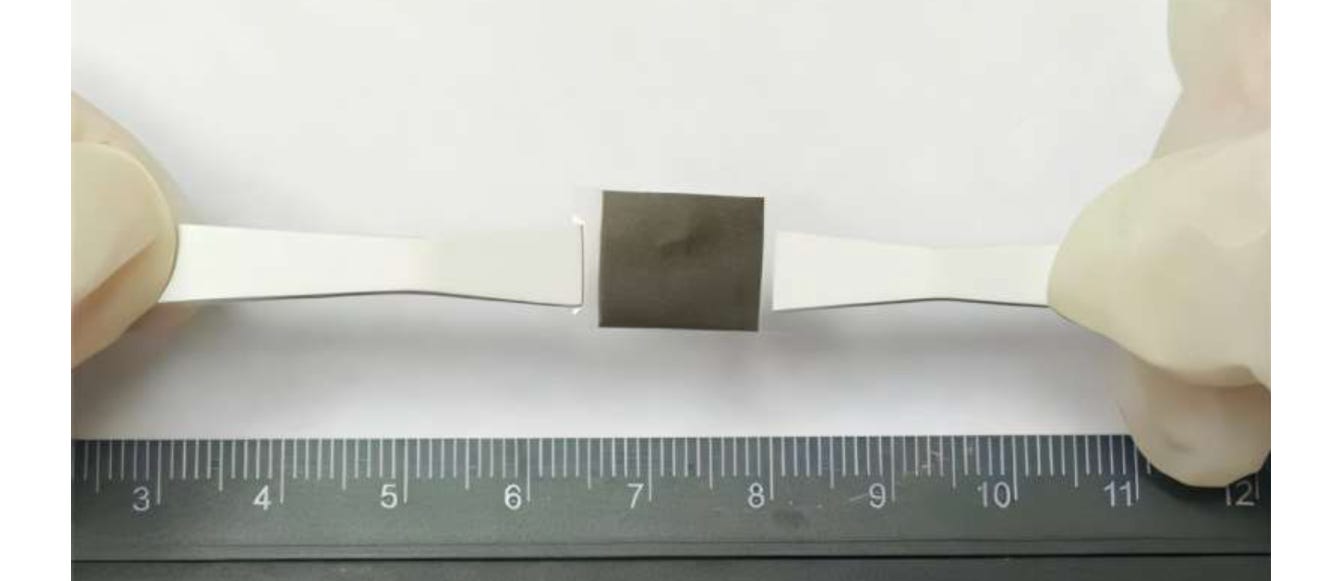
It’s not a drug— it’s just copper with a delivery system. It’s not a maintenance treatment— it’s a cure. It’s not invasive— it’s a skin patch.
The patch is made from laser-induced graphene —a porous carbon material— with copper oxide nanoparticles embedded in its pores. Stuck to the skin over a tumor, it’s activated by a low-powered laser that heats the patch, releasing copper ions that kill the skin cancer cells beneath it. The cancer cells cannot migrate beyond the tumor borders. The copper doesn’t penetrate or accumulate in surrounding organs.
In mouse models, the patch reduced melanoma lesions by an eye-watering 97% in only 10 days— a fraction of the time you’d spend waiting even for an appointment to see your dermatologist.
The 97% efficacy figure is nearly unbelievable. Surgery for melanoma typically involves cutting out the tumor plus a margin of healthy tissue, followed by monitoring. This is just a patch that you apply and activate. No cutting. The results in mice make surgery look downright medieval by comparison.
It’s not in humans yet, and still needs the clinical path. But the underlying science is clean, and the results are dramatic enough to warrant serious follow-through.
Again— the significance is that it’s a whole different model. And these examples are just a tiny sampling of what I am seeing in my daily news reviews. There’s a tsunami of innovation coming. Vaccines, however you want to define them, are ancient medical tech. We don’t need to ban vaccines. We don’t need to worry too much about mandates. Vaccines are becoming obsolete.
Now let’s quickly review the other big piece: the regulatory revolution.
The Regulatory Revolution
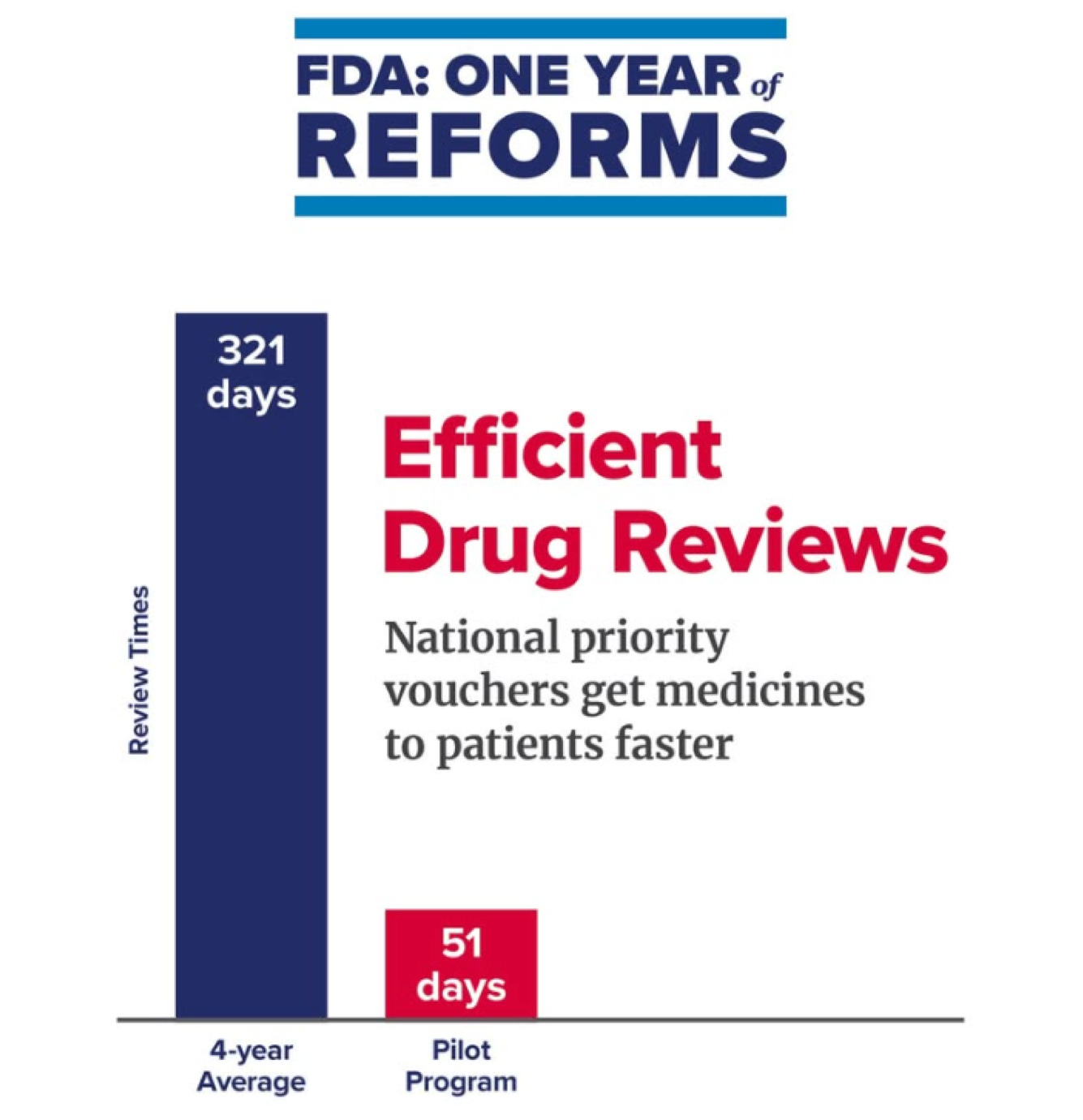
For most of our lives, the single biggest limitation on medical innovation was the FDA’s drug approval timeline. The average time from initial filing to approval was 12 years. An infant born with a congenital illness would be a teenager by the time a new treatment was approved. And that’s assuming it was funded by a large pharmaceutical company with hundreds of millions in regulatory infrastructure and teams of lobbyists. For small startups, it was always functionally impossible.
Until now. And it’s converging from multiple directions simultaneously.
The China Factor: China’s regulatory agency, NMPA, has been approving novel therapies at a pace that makes the FDA look downright arthritic. The deafness gene therapy trial I mentioned above was run primarily in China, and the results were published in Nature Medicine from Chinese hospitals well before most American regulators had even heard of the approach. Beijing has made leading in biotech a national priority, and they are funding and approving accordingly. The competitive pressure this creates on the FDA is real and documented.
Japanese Pressure: As I mentioned above, Japan already cleared reprogrammed (iPS) stem cell treatments for patient trials. The FDA is racing to catch up. The FDA’s January 2026 clearance of Life Biosciences’ ER-100 trial was a historic milestone. It was the first time the FDA cleared a partial cellular reprogramming program for human testing. Contrary to the FDA’s usual snail’s pace, this clearance happened quickly, in months, thanks to a new administration that has made regulatory reform a priority.
MAHA and the Outsider Pipeline: Whatever else it has achieved, the Make America Healthy Again movement has created institutional oxygen to challenge orthodoxies in medicine that never existed before. When the people running federal health agencies are themselves openly skeptical of the incumbent big-pharma model, startups and university researchers who’ve been frozen out of the mainstream get to breathe.
The pipeline implications of that shift are just beginning to show up in the data.
🤖 Take peptides.

Peptides like BPC-157, thymosin alpha-1, TB-500, and ipamorelin have been used for years by functional medicine doctors, athletes, and biohackers for everything from gut healing and injury recovery to immune support. They weren’t sketchy back-alley drugs. They aren’t drugs at all.
Peptides are short chains of amino acids —tiny proteins— that your body already makes. Since they are natural parts of the human body, they can’t be patented, which is why Big Pharma hates them. They aren’t considered “biologics” because they are too small to qualify, biologically speaking. They’re not particularly new, either.
They have been prescribed for decades by licensed physicians and compounded by licensed pharmacies. Hundreds of studies supported their safety profiles. BPC-157 alone has been researched since the 1990s. Wellness folks and those in nontraditional medicine loved them.
Then, without warning, in 2023, Biden’s FDA abruptly jammed 19 popular peptides onto its Category 2 restricted list —the dreaded “do not compound” list— effectively banning compounding pharmacies from producing them overnight. The official reason was “safety concerns and a lack of data.” Most people suspected Big Pharma’s influence behind the scenes.
Instantly, millions of Americans who relied on these therapies were either cut off entirely or pushed into unregulated gray-market sources —which, ironically, were less safe than the regulated compounding system the FDA had just shuttered.
It was regulatory capture in its purest form. The peptides weren’t dangerous. They were unpatentable. No pharmaceutical company could own them, which meant no pharmaceutical company was lobbying to keep them legal. The FDA’s default setting —if nobody with a billion-dollar balance sheet is defending it, restrict it— did exactly what pharma expected.
But on February 27, 2026, HHS Secretary Robert F. Kennedy Jr. announced that 14 of the 19 restricted peptides would be returned to Category 1, thereby restoring legal access through licensed compounding pharmacies. BPC-157, thymosin alpha-1, TB-500, CJC-1295, ipamorelin, GHK-Cu, and others were back.
Kennedy called the Biden-era reclassification “illegal.”
Media hysteria ensued. NPR reported, “The government may soon lift restrictions on some peptide treatments.” Politico called it a “wellness fad” and ran the sneering headline, “RFK Jr. is a ‘big fan’ of this treatment and plans to widen access.” Propublica snarled, “An FDA Reversal on Peptides Could Open the Market to Unsafe Drugs.”
The wellness world exhaled.
This under-reported peptide saga is the health sciences tsunami in miniature. They are useful, unpatentable therapies developed by researchers. They’ve been adopted by practitioners and tested by patients outside the mainstream. They aren’t drugs. And for all those reasons, they are fiercely opposed by the swampy regulatory establishment. Biden banned them. And now, MAHA restored them.
If you used BPC-157 for your bad knee and got cut off in 2023, you already understand everything I’ve been describing in this segment. You just didn’t know the same pattern was playing out across gene therapy, aging reversal, AI drug design, and cancer drugs— simultaneously, at a scale and speed that makes the peptide fight look like a slow-motion skirmish.
The outsiders just won a battle. The war is just getting started.
An Unorthodox Health Revolution Led By Outsiders
Now, let’s connect all these dots. Consider the source of every major breakthrough in today’s post:
The deafness cure: Karolinska Institutet (a university) + a Chinese hospital consortium + Otovia Therapeutics (a startup).
The first cellular reprogramming trial: Life Biosciences— a 20-person startup co-founded by a Harvard professor, not Harvard Medical School.
The dog cancer vaccine: A tech entrepreneur with ChatGPT + a university RNA lab.
The Alzheimer’s energy reversal: University Hospitals Cleveland + Case Western Reserve (academic medical centers, not pharma).
The cancer skin patch: Oregon State University.
Japan’s iPS authorization: Led by academia and favorable government regulation, not pharma.
Notice who’s missing from that list? Pfizer. Merck. Johnson & Johnson. AbbVie. AstraZeneca. The largest pharmaceutical companies —who control roughly $1.5 trillion in annual revenue and have spent decades lobbying for the exact regulatory regime that protects their market position— are not leading this revolution. They’re sidelined, watching it grow and spread, and are desperately trying to buy it up as fast as they can.
In January, for instance, Novo Nordisk and Eli Lilly paid up to $3 billion combined to partner with Isomorphic Labs —a DeepMind spinoff they didn’t build and can’t replicate— to do AI drug discovery on their behalf. That’s not leadership. That’s outsourcing your innovation to the disruptors because you’ve lost the ability to innovate internally.
Back in the 1970s, the mainframe companies tried to buy Apple. It didn’t work.
💉 Meanwhile, this week’s Pfizer news evidenced the other side: what’s happening with Big Pharma. It’s not innovating. It’s imploding.

On April Fool’s Day —but it was no joke— Reuters reported, “Exclusive: Pfizer, BioNTech halt US COVID vaccine study after recruitment struggles.” They wanted to get 25,000-30,000 participants. Can you guess why Pfizer and BioNTech halted recruitment for a large U.S. covid vaccine trial targeting healthy adults aged 50-64? They couldn’t get enough people to sign up.
Last week, they sent a letter to trial sites instructing them to stop recruitment. Shut it down. They notified the FDA that they were ending the study.
The official reason was “recruitment challenges.”
The real reason is that only about 18% of eligible Americans got a covid booster this season. The trust is gone. The public stopped volunteering for covid pharmaceutical trials because the pandemic years taught them something important about the relationship between regulators, pharmaceutical companies, and the truth. Pfizer can’t recruit for a covid vaccine trial, not because people are irrational, but because they are rational, and their experience of the last five years has not inspired confidence.
The same week Pfizer announced they couldn’t find enough volunteers to study their mRNA vaccine, a 20-person biotech in Boston dosed its first patient with a cellular reprogramming therapy that has never been tried in a human being. The week Pfizer’s trial folded from lack of participation, an uncredentialed data scientist in Sydney published open-source protocols for a personalized mRNA cancer vaccine that shrank his dog’s tumor by 75%.
The old guard is collapsing. The new guard is ascending.
The most optimistic part is that the people building the future of medicine are not the people who squandered the public’s trust during covid. Instead, they are university researchers and AI engineers and entrepreneur-scientists who are motivated by curiosity and necessity, not quarterly earnings reports and regulatory capture. And they are now operating on timelines measured in months, not decades. Right when we need it the most, to fix everything Pfizer and Moderna broke.
For the first time in our lives — in human history — we are realistically reaching the point of curing disease, not just alleviating symptoms. We are democratizing health. We are disintermediating some of the most corrupt actors in living memory.
It is a true miracle and potentially a blessing for billions of human beings. Just you wait.
Have a magnificent Monday! Coffee & Covid will return tomorrow with a regular roundup of essential news and commentary.
Don’t race off! We cannot do it alone. Consider joining up with C&C to help move the nation’s needle and change minds. I could sure use your help getting the truth out and spreading optimism and hope, if you can: ☕ Learn How to Get Involved 🦠
How to Donate to Coffee & Covid
Twitter: jchilders98.
Truth Social: jchilders98.
MeWe: mewe.com/i/coffee_and_covid.
Telegram: t.me/coffeecovidnews
C&C Swag! www.shopcoffeeandcovid.com
ERRATA
— Statins maintain cholesterol, not blood pressure directly. FIXED
Re: statins
They don't "maintain patients’ blood pressure." They lower HDL (edit: oops! my mistake - should say LDL) cholesterol levels, yet still have zero effect on mortality from heart disease.
Blood pressure medications are also a scam, though.